“Brazil Santos” search results (500)

Fine Coffee beans Coffee Culture of Santos, Brazil
Brazil is located in South America, about 15 degrees south latitude. Brazilian coffee culture began in 1727 and sprang up in the north of Brazil when a Mr. Francesco de MeloPalheta smuggled coffee seeds from France to Brazil. At that time, this was strongly opposed by the French who monopolize the coffee business today. Those seeds are the ancestors of more than 300 million Brazilian coffee trees today. In the early morning
2014-12-28 Boutique coffee beans Brazil Doss coffee culture located in South America South latitude
Boutique coffee-Brazilian Santos (Santos)
Brazilian coffee is cheap and abundant. Brazil produces 30 to 35% of the world's coffee annually, ranking first in the world. Unfortunately, there is a lack of top coffee varieties. Brazilian coffee has average quality, soft beans, and is obviously not resistant to heat in the baking process. Santos is more famous among all varieties. Santos is mellow, neutral, drinkable, and other kinds of coffee beans.
2014-09-15 Boutique coffee Brazilian Santos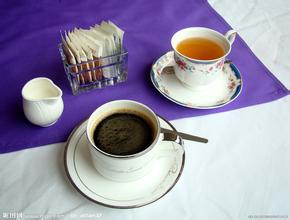
Flavor and taste characteristics of Brazilian Santos coffee beans an introduction to the manor production area described by Sidamo
Brazilian coffee was introduced from French Guiana in 1729. It is true that intensive farming, changing treatment methods and improving the technical content of planting can improve the quality of coffee to some extent, but in any case, the natural conditions of Brazil cannot be compared with those of some regions that produce the world's top coffee. Because although Brazil has better soil conditions and humid climate, it is not high above sea level.
2016-10-24 Brazil Doss coffee beans flavor taste characteristics Dharma description manor region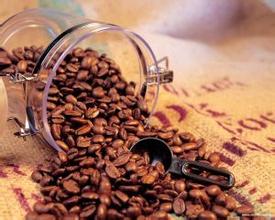
Boutique coffee beans Brazilian coffee the latest coffee introduction and information
Brazilian coffee generally refers to coffee produced in Brazil. There is a wide variety of Brazilian coffee, the vast majority of which are unwashed and sun-dried, classified according to the name of the state of origin and the port of transport. Brazil has 21 states and 17 states produce coffee, but four of them produce the largest, accounting for 98% of the country's total output. Brazilian coffee has a low sour taste, which goes well with coffee.
2015-12-25 Boutique coffee beans Brazil coffee latest introduction information general reference
Brazilian coffee has a unique, mild flavor, low acidity and moderate alcohol.
Brazilian coffee generally refers to coffee produced in Brazil. There is a wide variety of Brazilian coffee, the vast majority of which are unwashed and sun-dried, classified according to the name of the state of origin and the port of transport. Brazil has 21 states and 17 states produce coffee, but four of them produce the largest, accounting for 98% of the country's total output. Brazilian coffee has a low sour taste, which goes well with coffee.
2015-12-17 Brazil coffee flavor unique mild smooth acidity mellow medium
An introduction to the characteristics of Brazilian coffee boutique coffee bean flavor and taste manor with endless coffee plantations
There are many large farms in Brazil, which run endless coffee plantations. They use machines to harvest and dry them. They are so efficient in automation that they regard coffee as a general agricultural material and completely abandon the flavor and flavor. As a result, many select coffee companies simply do not sell Brazilian beans so as not to demean themselves. In select coffee shops, Santos in Brazil still appears occasionally.
2016-09-12 Endless coffee garden Brazil coffee boutique coffee beans flavor taste manor
Brazil is the country with the largest coffee production in the world.
Brazil is the largest coffee producer in the world. Because of the vast territory of Brazil, each farm has its own unique fragrance, no doubt, but also with the standard flavor of Brazil. Not only the coffee quality standard in Brazil is very strict, but also the coffee raw bean processing system in Brazil has reached a very high level from the world standard. Summary: a country located in central South Africa and southwest Brazil.
2015-01-09 Brazil the world coffee production large country introduction
Brazilian Coffee Variety Flavor Taste Boutique Coffee Bean Manor Introduction
Brazil, the largest producer of coffee, accounts for one-third of global consumption of all grades and varieties, and has a place in the global coffee market. Although Brazil faces many times more natural disasters than other regions, its arable area is enough to compensate. There are many kinds of coffee here, but its industrial policy is large and cheap, so it is especially superior coffee and
2016-09-22 Brazil Coffee Variety Flavor Taste Boutique Coffee Bean Manor Introduction This
Introduction to the characteristics of the manor producing area of Brazilian coffee boutique coffee bean flavor
Napoleon invaded Portugal in 1807 and the Portuguese royal family moved to Brazil. In 1820, the Portuguese royal family moved back to Lisbon, and Prince Pedro Reuba became regent. On September 7, 1822, complete independence from Portugal was declared and the Brazilian Empire was established. Then he was crowned emperor, Pedro I. Brazil promulgated the Constitution in 1824. In 1825, Portugal recognized Brazil's independence. During the Imperial period (1822-1889)
2016-08-12 Brazil coffee boutique coffee beans flavor taste manor producing area characteristics introduction
A hermit in the Brazilian Santos coffee kingdom.
Xishan Dushi is a neutral bean. The aroma, acidity and alcohol of the coffee are moderate, and the bitterness is low. It is famous for its smooth taste. It is mild, slightly sour, smooth and round in the mouth, smooth but has a good return to sweet taste. Origin: Brazilian grade: good granules: relatively full acidity: slightly acid uniformity: stable baking: low to deep flavor: neutral beans, low acid, smooth and round taste
2014-10-17 Coffee knowledge Brazilian coffee Sandoz coffee
Brazilian Coffee Santos Brand Coffee Bean Flavor description characteristics of Grinding degree introduction to the taste of the producing area
Brazilian Coffee Santos Coffee Bean Flavor description grindability characteristics of the producing area introduce Brazilian Rio Coffee Coffee (Rio de Janeiro): named after the port of Rio de Janeiro. Compared with Santos coffee beans, the granules are relatively large and have a strong taste. They have an irritating bad smell on the tongue, called Rio Flavor, but after long-term storage, the irritation weakens, and the flavor becomes rich with aroma.
2016-10-19 Brazil Coffee Mountain toast Brand Coffee beans Flavor description Grinding characteristics production
Brazilian Santos coffee beans are characterized by smooth taste.
Brazil is located in South America, about 15 degrees south latitude. Brazilian coffee culture began in 1727 and sprang up in the north of Brazil when a Mr. Francesco de MeloPalheta smuggled coffee seeds from France to Brazil. At that time, this was strongly opposed by the French who monopolize the coffee business today. Those seeds are the ancestors of more than 300 million Brazilian coffee trees today. In the early morning
2015-06-04 Brazil Doss coffee beans characteristics taste smooth located in South America South America
Description of Brazilian Coffee Flavor with mild Flavor characteristics of Grinding degree Variety Price Brand introduction
There are many large farms in Brazil, which run endless coffee plantations. They use machines to harvest and dry them. They are so efficient in automation that they regard coffee as a general agricultural material and completely abandon the flavor and flavor. As a result, many select coffee companies simply do not sell Brazilian beans so as not to demean themselves. In select coffee shops, Santos in Brazil still appears occasionally.
2016-10-12 Aroma soft Brazilian coffee flavor description grinding characteristics variety price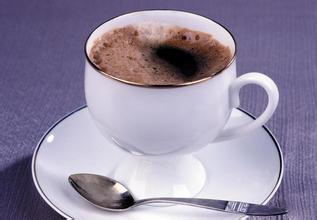
Description of Brazilian Coffee Flavor with smooth taste introduction of boutique coffee beans in producing areas
Because there are so many kinds of Brazilian coffee in Brazil, you can't just use the word Brazilian coffee to include it. Like other Arabica coffee, Brazilian coffee is called Brazils to distinguish it from Milds coffee. The vast majority of Brazilian coffee is unwashed and sun-dried and is classified according to the name of the state of origin and port of transport. Brazil has 21 states and 17 states produce coffee, but some of them
2016-09-26 Taste slippery Brazil coffee flavor description producing area characteristics boutique coffee beans
Boutique coffee Brazil Bourbon Santos coffee flavor producing area
Xishan Dushi is a neutral bean. The aroma, acidity and mellow of the coffee are moderate, the bitter taste is low, and it is famous for its smooth taste. It is mild, slightly sour, smooth and round in the mouth, smooth but has a good return to sweet taste. Its neutral flavor, refreshing and harmonious flavor, is regarded as an indispensable role in the blending of coffee, but also very suitable for drinking as a single product, most suitable for aristocratic flavor, sense of humor and
2016-06-16 Boutique Coffee Brazil Bourbon Mountain Doze Flavor producing area
Brazilian coffee beans production time introduction red bourbon coffee beans flavor aroma characteristics taste description
Brazil is the world's largest coffee producer. Because of Brazil's vast territory, each farm has its own unique aroma, which undoubtedly has Brazilian standards. Not only are Brazil's coffee quality standards very strict, but Brazil's green coffee processing system is also very high by world standards.
2014-07-02 Coffee knowledge Brazilian coffee Coffee encyclopedia
Brazilian Coffee African Fine Coffee Bean Producing Countries
Although Brazil produces 30 to 35 percent of the world's coffee annually, ranking first in the world, no Brazilian bean is considered top-class coffee. Coffee trees abound in the southern regions of Brazil, but only Santos can be brought to the table; most of the other lightly processed beans are used to make instant coffee and easy-to-open coffee. Santos Coffee
2015-03-30 Brazil Coffee Africa Fine Coffee Bean Country of Origin Presentation Although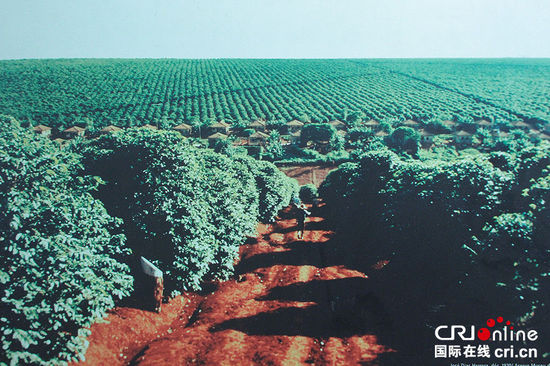
Review the coffee history of Brazil in the Coffee Museum
Brazil's Coffee Manor International online report (Reporter Zeng Yun): Brazil is the largest coffee producer and the second largest coffee consumer in the world. Zeng Yun, a reporter based in Brazil, will take you to the Coffee Museum in Santos, the coffee city of Brazil, to review the history of coffee in Brazil. In Brazil, wherever you go, you can have coffee in the morning or at night. No.
2015-07-13 Coffee Museum Review Brazil
Introduction to the flavor of high-quality coffee beans in the Brazilian coffee manor with full taste and strong fragrance
Chinese coffee network Brazilian coffee taste with a low sour taste, with the sweet and bitter taste of coffee, the entrance is very smooth, and with a hint of grass, slightly bitter in the fragrance, smooth and smooth, the aftertaste can make people comfortable and pleasant. There are no outstanding advantages for Brazilian coffee, but there are no obvious drawbacks. The taste is mild and smooth, low acidity and mellow.
2016-09-13 Taste full strong fragrant Brazil coffee manor producing area characteristics boutique
Coffee beans from Brazil, the world's largest coffee producer and exporter, known as the "coffee continent".
Brazil can be regarded as the world's largest coffee producer and exporter of the coffee continent. As about ten states in the vast territory adopt mass production, in order to make up for the regional gap and quality gap, Brazil sets its own grading benchmark in order to stabilize the quality. The quality of the coffee produced is very good, and it has been regarded as an indispensable coffee bean for mixing since ancient times.
2016-05-04 Known as Coffee mainland World largest Coffee production Export country Brazil